Isilon Installation Guide
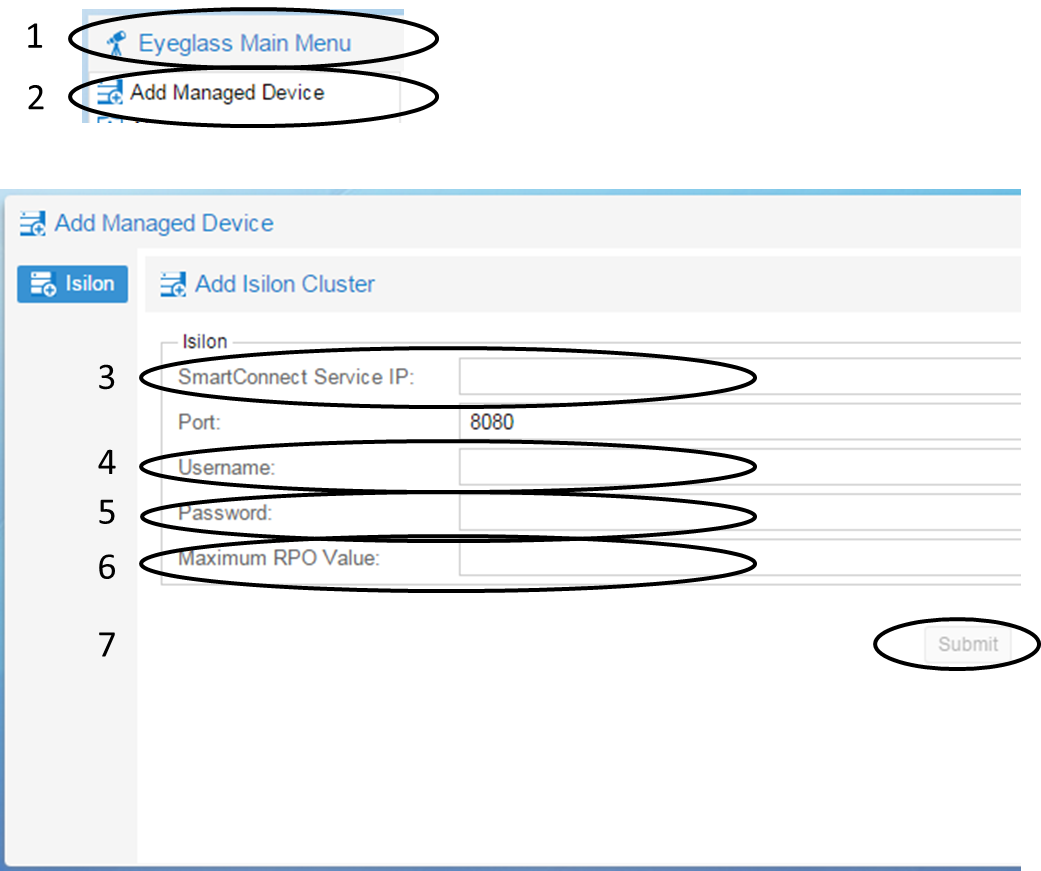
EMC Isilon is a storage service with a distributed filesystem that can used in place of HDFS to provide storage for CDH services. Note: This page contains references to CDH 5 components or features that have been removed from CDH 6.
These references are only applicable if you are managing a CDH 5 cluster with Cloudera Manager 6. For more information, see. Note: This documentation covers only the Cloudera Manager portion of using EMC Isilon storage with CDH.
For information about tasks performed on Isilon OneFS, see the Dell EMC Community's. Because the EMC Isilon storage devices use a global value for the block size rather than a configurable value for each file, the PARQUETFILESIZE query option has no effect when Impala inserts data into a table or partition residing on Isilon storage. Use the isi command to set the default block size globally on the Isilon device.
For example, to set the Isilon default block size to 256 MB, the recommended size for Parquet data files for Impala, issue the following command: isi hdfs settings modify -default-block-size=256MB The typical use case for Impala and Isilon together is to use Isilon for the default filesystem, replacing HDFS entirely. In this configuration, when you create a database, table, or partition, the data always resides on Isilon storage and you do not need to specify any special LOCATION attribute. If you do specify a LOCATION attribute, its value refers to a path within the Isilon filesystem. For example: - If the default filesystem is Isilon, all Impala data resides there - and all Impala databases and tables are located there. CREATE TABLE t1 (x INT, s STRING); - You can specify LOCATION for database, table, or partition, - using values from the Isilon filesystem. CREATE DATABASE d1 LOCATION '/some/path/on/isilon/server/d1.db'; CREATE TABLE d1.t2 (a TINYINT, b BOOLEAN); Impala can write to, delete, and rename data files and database, table, and partition directories on Isilon storage.
Therefore, Impala statements such as CREATE TABLE, DROP TABLE, CREATE DATABASE, DROP DATABASE, ALTER TABLE, and INSERT work the same with Isilon storage as with HDFS. When the Impala spill-to-disk feature is activated by a query that approaches the memory limit, Impala writes all the temporary data to a local (not Isilon) storage device. Because the I/O bandwidth for the temporary data depends on the number of local disks, and clusters using Isilon storage might not have as many local disks attached, pay special attention on Isilon-enabled clusters to any queries that use the spill-to-disk feature. Where practical, tune the queries or allocate extra memory for Impala to avoid spilling. Although you can specify an Isilon storage device as the destination for the temporary data for the spill-to-disk feature, that configuration is not recommended due to the need to transfer the data both ways using remote I/O. When tuning Impala queries on HDFS, you typically try to avoid any remote reads.
When the data resides on Isilon storage, all the I/O consists of remote reads. Do not be alarmed when you see non-zero numbers for remote read measurements in query profile output. The benefit of the Impala and Isilon integration is primarily convenience of not having to move or copy large volumes of data to HDFS, rather than raw query performance. You can increase the performance of Impala I/O for Isilon systems by increasing the value for the numremotehdfsiothreads configuration parameter, in the Cloudera Manager user interface for clusters using Cloudera Manager, or through the -numremotehdfsiothreads startup option for the impalad daemon on clusters not using Cloudera Manager. For information about managing Isilon storage devices through Cloudera Manager, see. Required Configurations.
Specify the following configurations in Cloudera Manager on the Clusters Isilon Service Configuration tab:. In HDFS Client Advanced Configuration Snippet (Safety Valve) for hdfs-site.xml hdfs-site.xml and the Cluster-wide Advanced Configuration Snippet (Safety Valve) for core-site.xml properties for the Isilon service, set the value of the dfs.client.file-block-storage-locations.timeout.millis property to 10000. In the Isilon Cluster-wide Advanced Configuration Snippet (Safety Valve) for core-site.xml property for the Isilon service, set the value of the hadoop.security.token.service.useip property to FALSE. If you see errors that reference the.Trash directory, make sure that the Use Trash property is selected. Configuring Replication with Kerberos and Isilon.
Virtual Isilon Install Guide
If you plan to use replication between clusters that use Isilon storage and that also have enabled Kerberos, do the following:. Create a custom Kerberos Keytab and Kerberos principal that the replication jobs use to authenticate to storage and other CDH services. In Cloudera Manager, select Administration Settings. Search for and enter values for the following properties:. Custom Kerberos Keytab Location – Enter the location of the Custom Kerberos Keytab. Custom Kerberos Principal Name – Enter the principal name to use for replication between secure clusters.
When you create a replication schedule, enter the Custom Kerberos Principal Name in the Run As Username field. Ensure that both the source and destination clusters have the same set of users and groups.
Isilon X410 Installation Guide
When you set ownership of files (or when maintaining ownership), if a user or group does not exist, the chown command fails on Isilon. See. Cloudera recommends that you do not select the Replicate Impala Metadata option for Hive/Impala replication schedules. If you need to use this feature, create a custom principal of the form hdfs/ hostname@ realm or impala/ hostname@ realm. Add the following property and value to the HDFS Service Advanced Configuration Snippet (Safety Valve) for hdfs-site.xml and Cluster-wide Advanced Configuration Snippet (Safety Valve) for core-site.xml properties: hadoop.security.token.service.useip = false. If the replication MapReduce job fails with the an error similar to the following: java.io.IOException: Failed on local exception: java.io.IOException: org.apache.hadoop.security.AccessControlException: Client cannot authenticate via:TOKEN, KERBEROS; Host Details: local host is: 'foo.mycompany.com/172.1.2.3'; destination host is: 'myisilon-1.mycompany.com':8020; Set the Isilon cluster-wide time-to-live setting to a higher value on the destination cluster for the replication: Note that higher values may affect load balancing in the Isilon cluster by causing workloads to be less distributed. Cessna 172 flight manual pdf.
A value of 60 is a good starting point. For example: isi networks modify pool subnet4:nn4 -ttl=60 You can view the settings for a subnet with a command similar to the following: isi networks list pools -subnet subnet3 -v.